Introduction 🎓
The Indian Institute of Management Ahmedabad (IIMA) has achieved another significant milestone in management education by recording 100% summer internship placements for its Post Graduate Programme in Food and Agribusiness Management (PGP-FABM) 2026–28 batch. All 44 students enrolled in the programme have successfully secured summer internship offers, highlighting the continued demand for specialised management talent in India’s rapidly developing food and agriculture industries.
The achievement is particularly important because the programme focuses on a specialised area of management that connects agriculture, food production, supply chains, technology, sustainability and business strategy. Unlike conventional management programmes that primarily focus on broad corporate functions, PGP-FABM prepares students to understand the complex commercial and operational challenges of the food and agribusiness ecosystem.
According to the institute’s announcement dated November 3, 2026, more than 30 companies participated in the summer placement process. The recruitment drive was conducted in a hybrid format and concluded on October 27, 2026.
The participating organisations represented several industries, including fast-moving consumer goods (FMCG), agricultural inputs, agritech, management consulting, quick commerce, climate technology and healthcare.
Bayer Crop Science emerged as the leading recruiter in this placement season. Several established companies, including Nestlé, PepsiCo, Godrej Agrovet, Amul, Accenture and Ernst & Young (EY), also participated.
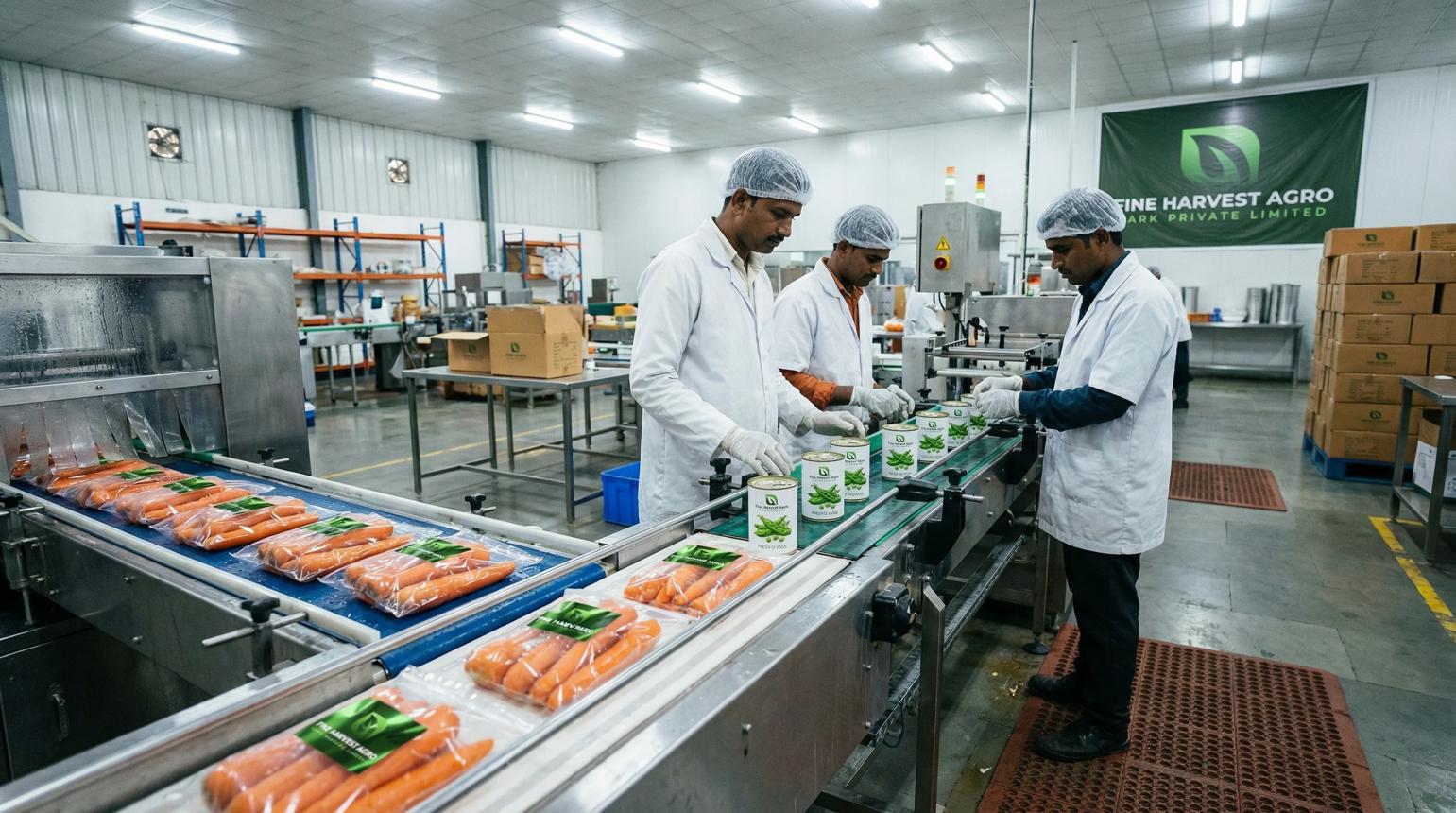
One of the most interesting aspects of the placement outcome is the diversity of opportunities available to students. FMCG companies recruited the largest number of candidates, while agricultural inputs and agritech organisations represented another major employment segment.
The results demonstrate that specialised management education is becoming increasingly relevant as businesses seek professionals who understand both commercial management and the technical realities of agricultural and food-related industries.
For aspiring management students, the achievement offers an encouraging example of how specialised programmes can connect academic learning with emerging industry opportunities.
IIM Ahmedabad Records 100% Summer Internship Placements 📊
The most important highlight of the latest placement announcement is that every student in the PGP-FABM 2026–28 batch received a summer internship offer.
A total of 44 students participated in the placement process, and all 44 secured opportunities.
This represents a 100% summer internship placement outcome.
The process concluded on October 27, 2026, following participation from more than 30 organisations operating across different business sectors.
Summer internships are an important part of management education because they allow students to apply classroom knowledge in professional environments.
During these internships, students can understand organisational structures, business operations, market behaviour and industry-specific challenges.
For PGP-FABM students, this exposure is particularly valuable because food and agribusiness businesses operate through complex networks involving farmers, suppliers, manufacturers, distributors, retailers and consumers.
A successful internship can help students understand how decisions made at one stage of the supply chain influence the performance of the entire business.
The selected candidates are expected to undertake their internships between April and June 2027.
This period will provide them with an opportunity to gain practical exposure before returning to complete their management education.
The placement outcome also highlights the institute’s ability to maintain relationships with organisations across the agricultural and consumer business ecosystem.
Recruiters benefit from access to students with specialised knowledge, while students gain opportunities to explore careers that combine management skills with industry understanding.
However, the 100% figure refers specifically to summer internship placements. It should not be confused with final job placements or permanent employment after graduation.
The institute has indicated that additional placement information will be published through an audited report under the Indian Placement Reporting Standards (IPRS).
This distinction is important for readers evaluating placement statistics because internship outcomes, final placements and salary figures represent different measures of institutional performance.
FMCG Sector Emerges as the Largest Recruiter for PGP-FABM Students 🛒

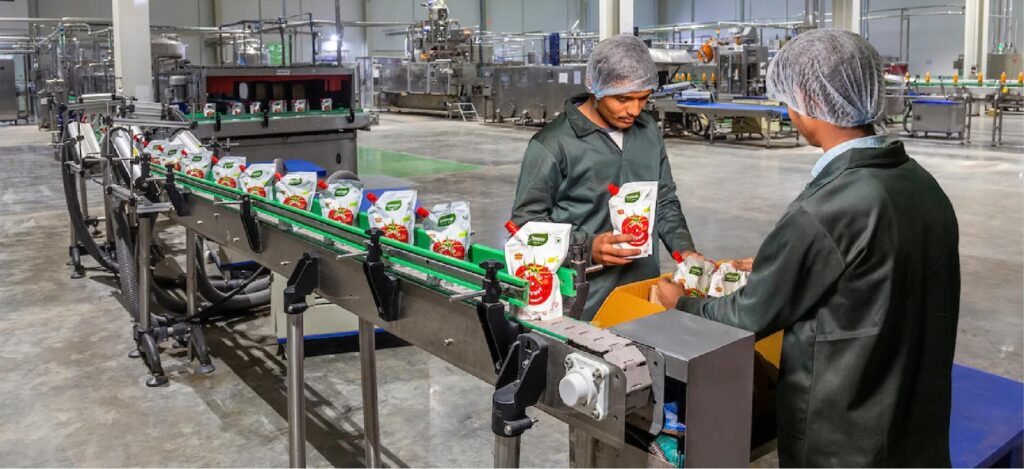
The fast-moving consumer goods sector emerged as the largest recruiting segment in the IIM Ahmedabad PGP-FABM summer placement process.
According to the institute, FMCG companies recruited 15 students, representing approximately 34% of the entire batch.
This result demonstrates the importance of consumer-facing food and beverage businesses in the agribusiness management ecosystem.
FMCG organisations manage products that reach millions of consumers through extensive manufacturing, distribution and retail networks.
Their operations require professionals who understand market demand, product development, procurement, logistics, brand management and commercial strategy.
Food companies must also respond to changing consumer expectations regarding product quality, affordability, nutrition, packaging and sustainability.
Management graduates with specialised knowledge of food and agribusiness can contribute to these areas.
For example, a company producing packaged dairy products must coordinate milk procurement, processing facilities, quality standards, transportation, packaging and distribution.
Similarly, a food processing business must understand agricultural production cycles, seasonal availability, storage conditions and changing market prices.
These responsibilities create opportunities for professionals who can combine business knowledge with an understanding of agricultural supply chains.
The recruitment of 15 students by the FMCG sector suggests that companies continue to recognise the value of management graduates who understand these interconnected operations.
The sector also offers opportunities in marketing, sales, category management, business development and supply chain management.
For students interested in consumer businesses, these internships can provide practical experience in understanding how products move from production centres to retail shelves.
Agri-Inputs and Agritech Recruit 13 Students 🌱

The second-largest recruiting segment was agri-inputs and agritech.
A total of 13 students, representing approximately 30% of the batch, secured internships in this category.
This is an important development because agricultural technology and input-related businesses are becoming increasingly significant in India’s farming ecosystem.
Agricultural inputs include products and services that support crop production, such as seeds, fertilisers, crop protection solutions and other farming technologies.
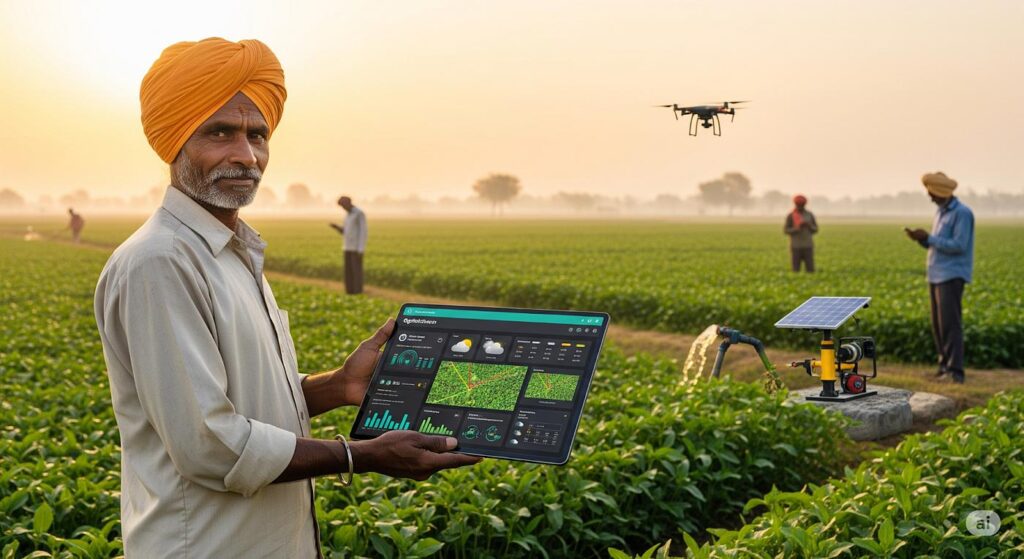
Agritech companies are also developing digital tools that can help farmers access information, improve productivity, manage resources and connect with markets.
The sector is changing as businesses explore new approaches to agricultural production and distribution.
Technologies such as artificial intelligence, remote sensing, satellite imagery, precision farming, digital marketplaces and data-driven advisory services are influencing how agricultural businesses operate.
However, successful agritech solutions require more than technological innovation.
Companies must understand farmers’ requirements, regional agricultural conditions, affordability, distribution networks and the practical limitations of technology adoption.
This is where specialised management graduates can make meaningful contributions.
They can help businesses design market strategies, evaluate investment opportunities, manage distribution channels and develop commercially sustainable solutions.
The participation of agricultural input and agritech organisations in the IIM Ahmedabad placement process reflects the growing demand for professionals who can connect technology, agriculture and business management.
It also highlights the importance of developing an agricultural ecosystem that supports productivity while considering farmers’ economic interests and environmental sustainability.
Management Consulting Provides Opportunities for Six Students 💼
Management consulting was another important recruiting segment in the latest placement process.
Six students, representing approximately 14% of the batch, secured internship opportunities in consulting.
Consulting firms work with businesses to understand organisational challenges, develop strategies and improve operational performance.
For agribusiness management graduates, consulting can involve projects related to agricultural supply chains, food processing, rural markets, sustainability, market expansion and business transformation.
The sector offers opportunities to work with organisations operating across different industries.
A consultant working on an agricultural supply-chain project, for example, may examine procurement practices, storage infrastructure, transportation costs and distribution efficiency.
Another project might focus on helping a food company expand into new geographical markets or introduce a new product category.
These responsibilities require analytical thinking, communication skills, problem-solving abilities and an understanding of commercial operations.
PGP-FABM students can bring a specialised perspective to consulting assignments because their education combines management principles with knowledge of food and agricultural businesses.
The participation of consulting organisations therefore demonstrates that the career opportunities available to graduates extend beyond traditional agricultural companies.
Quick Commerce, Climate Technology and Healthcare Expand Career Opportunities 🌍
The IIM Ahmedabad placement results also highlight the increasing diversity of employment opportunities for students specialising in food and agribusiness management.
Quick commerce recruited three students, representing approximately 7% of the batch.
Quick commerce businesses operate through technology-enabled platforms and distribution networks designed to deliver products rapidly to customers.
Food, grocery and daily-use products form an important part of this ecosystem.
These businesses need professionals who understand inventory management, demand forecasting, warehouse operations, product availability and last-mile logistics.
For PGP-FABM students, this creates opportunities to apply agricultural and food supply-chain knowledge in modern retail environments.
Climate technology and healthcare each recruited two students, accounting for approximately 4% of the batch in each category.
These sectors represent interesting opportunities for management graduates.
Climate technology companies work on solutions related to environmental sustainability, carbon management, resource efficiency and climate resilience.
Agriculture is particularly important in this context because farming activities are influenced by changing weather patterns, water availability, soil conditions and environmental pressures.
Businesses developing climate-related solutions need professionals who understand both the agricultural environment and the commercial models required to scale innovations.
Healthcare also has connections with the food and agribusiness ecosystem.
Nutrition, food safety, wellness, agricultural biotechnology and the production of specialised food ingredients create opportunities for organisations operating across these industries.
The remaining three students, representing approximately 7% of the batch, secured opportunities in other sectors.
This distribution demonstrates that the PGP-FABM programme can prepare students for careers across a wider range of industries than its specialised title might initially suggest.
Top Recruiters Participating in IIM Ahmedabad PGP-FABM Placements 🏢
The 2026 summer placement process attracted more than 30 organisations.
Bayer Crop Science emerged as the leading recruiter, while several established companies participated in the recruitment drive.
The list of regular recruiters included:
- Bayer Crop Science
- Godrej Agrovet
- Nestlé
- PepsiCo
- United Breweries
- Sundrop Brands
- Accenture
- Ernst & Young (EY)
- AgVaya
- Sahyadri Farms
- Varaha
- Amul
- Everest Instruments
- PCI
- Laila Wellness
The placement process also featured new and returning recruiters, including:
- Hindustan Unilever (HUL)
- HSBC
- Zydex Group
- Grow Indigo
- Mahyco
- First Club Technology
- Hetha Organics
- Khetika
- BloomchemAg
The participation of these organisations reflects the variety of industries that are interested in management graduates with specialised food and agribusiness knowledge.
Companies such as Bayer Crop Science and Mahyco are associated with agricultural inputs and related technologies.
Nestlé, PepsiCo, Amul and Godrej Agrovet operate in important areas of the food, consumer goods and agricultural business ecosystem.
Accenture and EY provide exposure to professional services and consulting-related opportunities.
HSBC adds another dimension to the recruitment landscape through the financial services industry.
This combination of recruiters demonstrates that the programme’s employment opportunities are not restricted to one type of organisation.
For students, such diversity can create opportunities to explore different career paths and understand where their academic interests and professional ambitions intersect.
PGP-FABM Placement Statistics: Understanding the Complete Distribution 📈
The placement distribution provides a clearer picture of the industries that recruited students.
Summer internship placement distribution
100%
44 out of 44 students secured internship offers
FMCG
15 students · 34%
Agri-inputs & Agritech
13 students · 30%
Consulting
6 students · 14%
Quick commerce
3 students · 7%
Climate technology
2 students · 4%
Healthcare
2 students · 4%
Other sectors
3 students · 7%
Percentages are rounded as reported by IIM Ahmedabad.
| Recruiting sector | Students | Share |
|---|---|---|
| FMCG | 15 | 34% |
| Agri-inputs and agritech | 13 | 30% |
| Consulting | 6 | 14% |
| Quick commerce | 3 | 7% |
| Climate technology | 2 | 4% |
| Healthcare | 2 | 4% |
| Others | 3 | 7% |
| Total | 44 | 100% |
Two sectors, FMCG and agri-inputs/agritech, together accounted for 28 students, or approximately 64% of the batch.
This is an important finding because it highlights the continuing significance of food businesses and agricultural technology in the recruitment landscape.
At the same time, the presence of consulting, quick commerce, climate technology and healthcare organisations demonstrates that the programme has a broader professional scope.
The distribution should also be interpreted in the context of the programme’s relatively small batch size.
When a cohort consists of 44 students, the recruitment of even two or three candidates in a particular sector can influence its percentage share.
The placement data therefore provides a useful snapshot of the opportunities available to this particular batch rather than a universal prediction of employment trends across the entire industry.
Why IIM Ahmedabad’s PGP-FABM Programme Is Important for India’s Agribusiness Sector 🌾
India’s agricultural economy is one of the largest and most complex in the world.
Agriculture supports millions of livelihoods and contributes to the country’s food security, rural development and industrial supply chains.
However, the sector faces several challenges.
Farmers must respond to changing weather conditions, production costs, market fluctuations, transportation limitations and evolving consumer requirements.
Food businesses must maintain quality standards, develop efficient procurement systems and manage increasingly complex distribution networks.
Technology companies are attempting to improve farming practices through digital platforms, agricultural data and precision-based solutions.
These developments create demand for professionals who understand agriculture as both an economic activity and a business ecosystem.
This is where the PGP-FABM programme becomes particularly relevant.
The programme focuses on the management requirements of food and agribusiness organisations.
Students develop knowledge of business strategy, marketing, finance, operations, supply-chain management and agricultural markets.
They also gain exposure to the practical challenges associated with food production, processing and distribution.
This combination of academic and industry understanding can help graduates contribute to organisations working across the agricultural value chain.
The latest summer placement achievement demonstrates how employers are recognising the importance of this specialised management knowledge.
What Makes PGP-FABM Different From a Conventional MBA? 🎓
A conventional MBA generally offers a broad management education covering areas such as finance, marketing, human resources, strategy and operations.
PGP-FABM shares many of these management foundations but applies them to the food and agribusiness ecosystem.
This specialisation creates a different professional perspective.
For example, marketing a packaged consumer product involves understanding customers, pricing, distribution and brand positioning.
Marketing an agricultural input also requires an understanding of crop cycles, regional farming practices, distribution networks and farmer requirements.
Similarly, supply-chain management in the food industry must consider product freshness, storage conditions, quality standards and seasonal availability.
These industry-specific considerations make specialised knowledge valuable.
The programme can therefore be attractive to candidates interested in combining management education with agriculture, food systems, rural markets and sustainability.
It also demonstrates that management careers are not limited to conventional corporate sectors.
Food and agribusiness businesses require strategic decision-makers, financial analysts, marketing professionals, supply-chain specialists and consultants.
Specialised management programmes help develop professionals who can work across these functions.
Industry Leaders Recognise the Value of PGP-FABM Graduates 🤝
The latest recruitment process also received positive feedback from industry representatives.
Vinoy K, Dekalb Brand Manager, IBSL at Bayer Crop Science, appreciated the students’ clarity of thought, communication skills and technical knowledge.
He also highlighted the entrepreneurial mindset demonstrated by some candidates, suggesting that their capabilities could potentially translate into future business ventures.
This feedback is significant because recruiters increasingly expect management graduates to demonstrate more than theoretical knowledge.
Companies look for candidates who can analyse complex situations, communicate ideas effectively, understand business requirements and contribute to organisational objectives.
Technical knowledge is particularly valuable in specialised industries such as agriculture and food processing.
A management graduate working in agricultural technology, for example, may need to understand both business performance and the practical challenges faced by farmers.
Similarly, professionals working in food manufacturing must understand operational efficiency, product quality and consumer expectations.
The ability to connect these different perspectives can make specialised management graduates valuable to employers.
Professor Viswanath Pingali, Chairperson of Placements at IIMA, also welcomed the outcome and highlighted the programme’s strong reputation in food and agribusiness management.
Sachidananda Hota, Recruitment Secretary of the PGP-FABM Placement Committee, emphasised the importance of matching student aspirations with the changing requirements of the agribusiness ecosystem.
The placement committee also highlighted its efforts to maintain relationships with established recruiters while developing connections with new organisations.
Such relationships are important because summer internships can become the foundation for long-term engagement between companies and educational institutions.
When Will Students Begin Their Summer Internships? 📅
Following the completion of the placement process on October 27, 2026, the selected students are expected to undertake their internships between April and June 2027.
This internship period will provide an opportunity for students to experience professional business environments and apply their academic learning.
Depending on their assigned roles, students may participate in activities involving:
- Market research and business analysis.
- Agricultural supply-chain operations.
- Consumer behaviour studies.
- Product and category management.
- Business development.
- Sales and marketing strategy.
- Procurement and distribution.
- Sustainability-related projects.
- Technology-enabled agricultural solutions.
The exact responsibilities will depend on the organisation and the individual internship assignment.
For students, the experience can be valuable in understanding workplace expectations and identifying areas of professional interest.
Internships also provide an opportunity to build relationships with industry professionals and develop practical skills that may prove useful after graduation.
The April-to-June period will therefore represent an important stage in the professional development of the 2026–28 PGP-FABM batch.
Placement Transparency: Why the Audited IPRS Report Matters 📑
An important aspect of IIM Ahmedabad’s placement announcement is its commitment to publishing additional information through an audited report under the Indian Placement Reporting Standards.
The institute introduced IPRS to promote greater transparency in business-school placement reporting.
This is particularly relevant because placement statistics are frequently used by students when comparing management programmes.
However, different institutions may report placement figures using different definitions and methodologies.
Some reports focus on the highest salary, while others provide average and median compensation, sector-wise distributions or the number of participating recruiters.
Without consistent reporting standards, students may find it difficult to compare programmes accurately.
An audited placement report can help provide greater clarity about the information being presented.
For the latest PGP-FABM summer placement process, IIM Ahmedabad has announced the 100% internship outcome and sector-wise distribution.
Detailed verified compensation and other placement information are expected in the subsequent audited report.
Students should therefore avoid assuming that a 100% internship placement figure means that all candidates received identical stipends or that a particular salary package was offered.
Summer internship outcomes and final employment statistics are separate measures.
The institute’s forthcoming report will provide additional information for stakeholders seeking a more detailed understanding of the placement process.
Career Opportunities After Completing PGP-FABM 🚀
The successful summer placements also draw attention to the career possibilities available to students pursuing food and agribusiness management.
India’s food economy is changing as consumer preferences, technology, retail systems and agricultural practices evolve.
This transformation is creating professional opportunities across several industries.
Agricultural inputs and technology: Graduates can explore careers in seed companies, crop protection businesses, fertiliser organisations and agritech startups.
Food processing and FMCG: Food manufacturing and consumer goods companies require professionals in marketing, procurement, product management, operations and distribution.
Management consulting: Consulting organisations offer opportunities to work on strategy, market expansion, supply-chain improvement and organisational transformation.
Agricultural finance: Banks and financial institutions require professionals who understand agricultural lending, rural markets, commodity businesses and agribusiness investments.
Quick commerce and retail: Digital retail companies need specialists who can manage grocery operations, inventory, logistics and consumer demand.
Climate and sustainability: Emerging businesses require professionals who can evaluate sustainable agricultural models, environmental projects and climate-related business opportunities.
Entrepreneurship: Graduates can also explore business opportunities involving food processing, agricultural technology, rural distribution, farm services and supply-chain innovation.
The range of career possibilities demonstrates why specialised management education can be relevant to India’s changing economic environment.
What This Achievement Means for MBA Aspirants in India 🌟
The 100% summer placement result is an encouraging development for students considering specialised management programmes.
Many MBA aspirants traditionally concentrate on conventional career paths such as finance, consulting, banking and marketing.
However, the agribusiness sector offers opportunities that combine business strategy with technology, sustainability and real-world economic development.
The IIM Ahmedabad PGP-FABM placement result highlights how management education can support careers in these expanding industries.
Candidates interested in this programme should evaluate their academic interests and professional goals before applying.
A genuine interest in agriculture, food systems, rural markets and business management can help students make better use of the programme.
They should also understand that admission to a specialised management programme requires preparation, academic commitment and the ability to apply analytical concepts to practical business problems.
The placement outcome is encouraging, but students should not assume that a particular internship or job is guaranteed simply because the previous batch recorded 100% placements.
Recruitment outcomes vary depending on industry conditions, company requirements, candidate profiles and the overall economic environment.
Prospective candidates should evaluate the curriculum, faculty, admission requirements, career opportunities and official placement reports before making their decisions.
Frequently Asked Questions (FAQs) ❓
Did IIM Ahmedabad achieve 100% summer placements for PGP-FABM 2026–28?
Yes. All 44 students enrolled in the PGP-FABM 2026–28 batch secured summer internship offers.
How many companies participated in the placement process?
More than 30 companies participated in the summer placement drive.
Which company emerged as the top recruiter?
Bayer Crop Science emerged as the leading recruiter during the placement process.
Which sector recruited the largest number of students?
The FMCG sector recruited 15 students, representing approximately 34% of the batch.
How many students received opportunities in agritech and agricultural inputs?
Thirteen students, representing approximately 30% of the batch, secured internships in agri-inputs and agritech.
When will the students complete their internships?
The internships are expected to take place between April and June 2027.
Which other major companies participated?
Recruiters included Nestlé, PepsiCo, Godrej Agrovet, Amul, Accenture, EY, Hindustan Unilever, HSBC, Mahyco and several other organisations.
Does 100% summer placement mean 100% final job placement?
No. Summer internship placement and final employment placement are different processes. The latest announcement specifically concerns internship offers.
Have the average internship stipend and highest stipend been announced?
The institute’s announcement does not provide those figures. Further verified information is expected through its audited placement reporting process.
Conclusion: A Major Achievement for IIM Ahmedabad and India’s Agribusiness Management Education 🎓
IIM Ahmedabad’s achievement of 100% summer internship placements for its PGP-FABM 2026–28 batch represents an encouraging development for specialised management education in India.
All 44 students secured internship offers, with more than 30 organisations participating in the recruitment process.
Bayer Crop Science emerged as the leading recruiter, while FMCG and agri-inputs/agritech accounted for the largest shares of internship opportunities.
The participation of companies from consulting, quick commerce, climate technology and healthcare also demonstrated the growing diversity of career opportunities available to food and agribusiness management graduates.
Beyond the placement figures, the achievement highlights the increasing importance of professionals who understand the relationship between business management, agricultural production, food systems and technology.
India’s agricultural economy is undergoing significant transformation. Businesses need professionals who can improve supply chains, develop innovative products, manage markets and respond to sustainability challenges.
Specialised management programmes can contribute to this transformation by preparing graduates with relevant academic knowledge and practical business skills.
For IIM Ahmedabad, the latest placement outcome reinforces the programme’s strong industry relationships and the continued interest of recruiters in its students.
For aspiring MBA candidates, it provides an important example of how specialised education can open opportunities across different industries.